Regular STD testing is an important step to take to protect your and your sexual partner's health. Many STDs can be asymptomatic, allowing infections to go undetected and spread through communities. Whether you are sexually active, starting a new relationship, or prioritizing your well-being, regular testing at an urgent care or primary care clinic can help alleviate anxiety and ensure your sexual and overall well-being are in good standing.
The importance of regular STD testing
Regular STD testing is essential for maintaining sexual health and preventing the spread of infections. Even if an individual feels healthy and experiences no noticeable signs or symptoms, many STDs can be asymptomatic. Regular testing ensures that infections are detected early and treated as soon as possible, reducing the risk of health complications and giving the infection to others.
STD testing: what to expect at your appointment
Pre-test consultation and medical history review
Before STD testing begins, the patient will undergo a pre-test consultation with a healthcare provider. During this time, the provider will ask about their medical history, sexual activity, and any symptoms they might be experiencing. While they may feel embarrassed, the patient should be honest and thorough with their responses, as this information helps determine which tests are necessary. There is no shame in seeking STD testing, as it is a proactive step to protecting one's health.
The provider may also discuss risk factors, prevention strategies, and the importance of regular STD testing. Common types of STDs that healthcare providers test for include:
- Chlamydia and gonorrhea
- Syphilis
- Herpes
- Human immunodeficiency virus (HIV)
- Human papillomavirus (HPV)
- Hepatitis B and C
The testing process
There are several methods of testing for STDs. Depending on the type of STD the patient is at risk of having, the testing method may include:
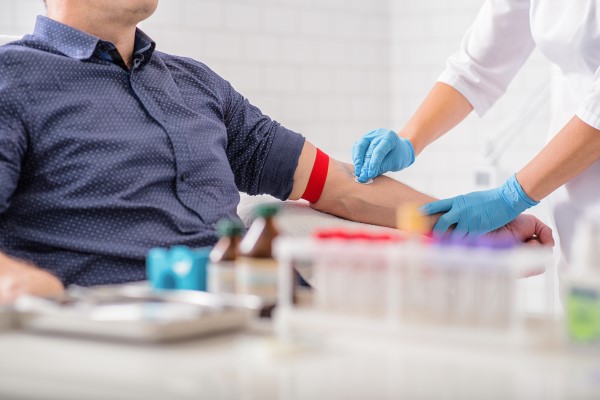
- Blood test: This test is used to detect infections like HIV, syphilis, and hepatitis B and C. A small sample of blood is drawn from the patient's arm.
- Urine test: Often used to test for chlamydia and gonorrhea. The patient will need to provide a urine sample in a designated testing cup provided by the medical practitioner.
- Swab test: A swab is used to collect samples from the genital area, throat, or rectum to test for infections such as chlamydia and gonorrhea.
- Physical exam: In some cases, a physical examination of the genital area may be necessary to check for signs of infection, such as sores, rashes, or discharge.
Each testing method is generally quick and minimally invasive; however, some patients might feel slight discomfort.
Post-test counseling and results
After completing the tests, the patient will have a post-test counseling session with the medical provider. During this time, the provider will explain when and how the patient will receive their results. Many clinics offer results within a few days, while some tests might take up to a week. This will depend on the practice's testing process and the method used. The provider will also inform the patient of what to do in case of a positive result, including further testing, treatment options, and notifying sexual partners.
Call our office to schedule an STD testing appointment
STD testing is a responsible and essential aspect of sexual health that benefits everyone. Millennium Medical Care Herndon offers STD testing in Herndon and the surrounding area. Call our office to learn more or to schedule an appointment.
Request an appointment here: https://herndon.millenniummedicalcare.com or call Millennium Medical Care Herndon at (703) 743-7849 for an appointment in our Herndon office.
Check out what others are saying about our services on Yelp: STD Testing in Herndon, VA.
Recent Posts
Sexually transmitted diseases (STDs) are a public health issue that requires prompt diagnosis and testing. STD testing at an urgent care center can help prevent further health issues while protecting your sexual partners and community from the spread of infectious diseases. While many healthcare providers offer STD testing, urgent care centers offer a convenient and…
Pregnancy testing gives patients certainty about whether they are expecting. If unsure, an urgent care or primary care provider can administer these tests with a smaller margin of error than over-the-counter pregnancy tests. Although the process is straightforward, it is normal to have questions heading into the appointment. Exploring the answers to some of the…
Birth control contains hormones that can serve as contraception, acne treatment, or help manage conditions like endometriosis and PCOS. No matter the reason you are searching for “birth control near me,” you likely have several options to sift through. Knowing the basics of each option and its efficacy can help you narrow down the search…
Getting a cholesterol check from a medical provider is an important tool for maintaining overall health and well-being. Cholesterol is a substance found in the blood. It is necessary for building healthy blood cells, but too much of it can increase your risk of health issues like heart disease. High cholesterol does not often present…