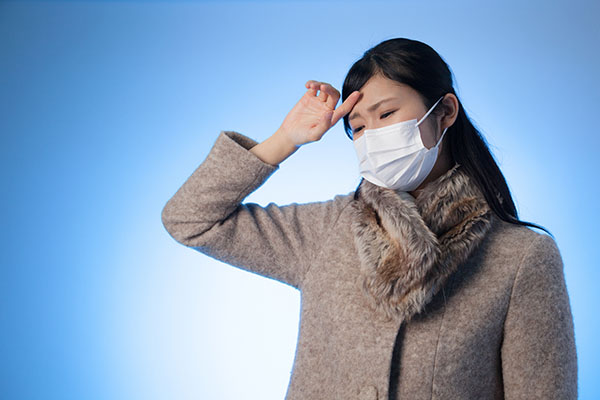
 The common cold or allergies: many people wonder which they have when certain symptoms come up. Both can affect people of all ages and can be miserable to deal with. Viruses cause colds, while allergies are the immune system’s response to a substance. There are ways to manage colds and allergies. Still, it is helpful to understand which one you may have when you are struggling.
An overview of how colds develop and spread
The common cold is caused by a virus. Hundreds of viruses are possibilities, but it is usually rhinovirus, coronavirus, or RSV that is ultimately the culprit. The cold spreads from person to person at close contact. This can happen through touch or through droplets from coughing and sneezing. Young children, especially babies and toddlers, are most prone to colds. They can get up to a dozen colds a year.
A look at allergies
A person’s immune system produces antibodies to fight infections and other invaders in the body. Allergies occur when the system’s antibodies identify an allergen as harmful to the body when, in fact, it is not. These can include pollen, pet dander, and different foods. People react to allergies in different ways. In some cases, an allergic reaction can be severe, even life-threatening. Treatment is available for most types of allergies.
Symptoms of the common cold
When a cold hits, the individual will likely have a stuffy or runny nose. A sore throat is also a common symptom, as are coughing and sneezing. Body aches and chills can also accompany a cold. Some people also have congestion and may get headaches. Fevers are possible with a cold, too, but these will usually be of the low-grade variety.
Allergy symptoms
It is not unusual to confuse the common cold with hay fever allergies. One of the most frequent symptoms is sneezing. The person will also have an itchy nose, eyes, or the roof of the mouth. Like with a cold, allergies can come with a runny, stuffy nose. The eyes can also water and become puffy or swollen.
When colds are prevalent
A person can catch a cold at any time of the year. However, there are times when an individual is more prone to getting one. Wintertime, late fall, and early spring are the most common times to catch a cold. It is possible to get multiple colds within the same season.
When hay fever allergies are prevalent
People normally have allergy outbreaks in the form of hay fever in the summertime. Spring and early fall are also times when a person can fall prey to pollen and dander. Trees, grass, and weeds are major culprits when it comes to hay fever. Sensitivity to dust is another common cause of allergy problems.
Know the differences between colds and allergies
If you have a cold this season, you may have congestion, aches, and even a fever. You may confuse these symptoms with allergies. These symptoms can be similar. As you understand the differences, you can know how to treat them effectively. If you need more help, make sure to visit an urgent care center near you.
Request an appointment or call Millennium Medical Care Herndon at 703-743-7849 for an appointment in our Herndon office.
Recent Posts
A person with a common cold can also have a sore throat and mild body pain. These symptoms can prevent you from doing your daily tasks. However, taking pain relievers can help relieve the discomfort. If you want to know more about the pain reliever you can take for your common cold, here are the…
The common cold can make anybody miserable. You can prevent this by taking zinc. This element can slow down the cold’s development. If you want to know how zinc can help you face the common cold, here are the details.Studies showed that zinc supplements can help prevent sickness in people. Researchers also showed that zinc…
It should not surprise you if you get the common cold this year. The illness is appropriately named; it may be the most common sickness that people encounter. Just about anyone is familiar with colds and what this condition feels like. There are many symptoms and effects, including the production of mucus. However, this should…